





The Protein Problem Nobody Is Talking About
Protein has never been more popular—or more expensive.
Whey protein isolate (WPI) prices have reached historic highs. Clear whey supply is tight. Contract manufacturers are rationing inventory. Brands are being forced to rethink margins, servings, and formats.
Yet most conversations still revolve around one outdated question:
“How many grams of protein are on the label?”
That question made sense when protein was cheap, abundant, and primarily sold as powders to bodybuilders.
It does not make sense anymore.
In today’s sports nutrition landscape, protein absorption is becoming the true performance metric. Not scoop size. Not macro count. Not flavor variety.
Because if the protein isn’t absorbed efficiently, it isn’t fueling muscle, recovery, or performance—no matter what the label says.
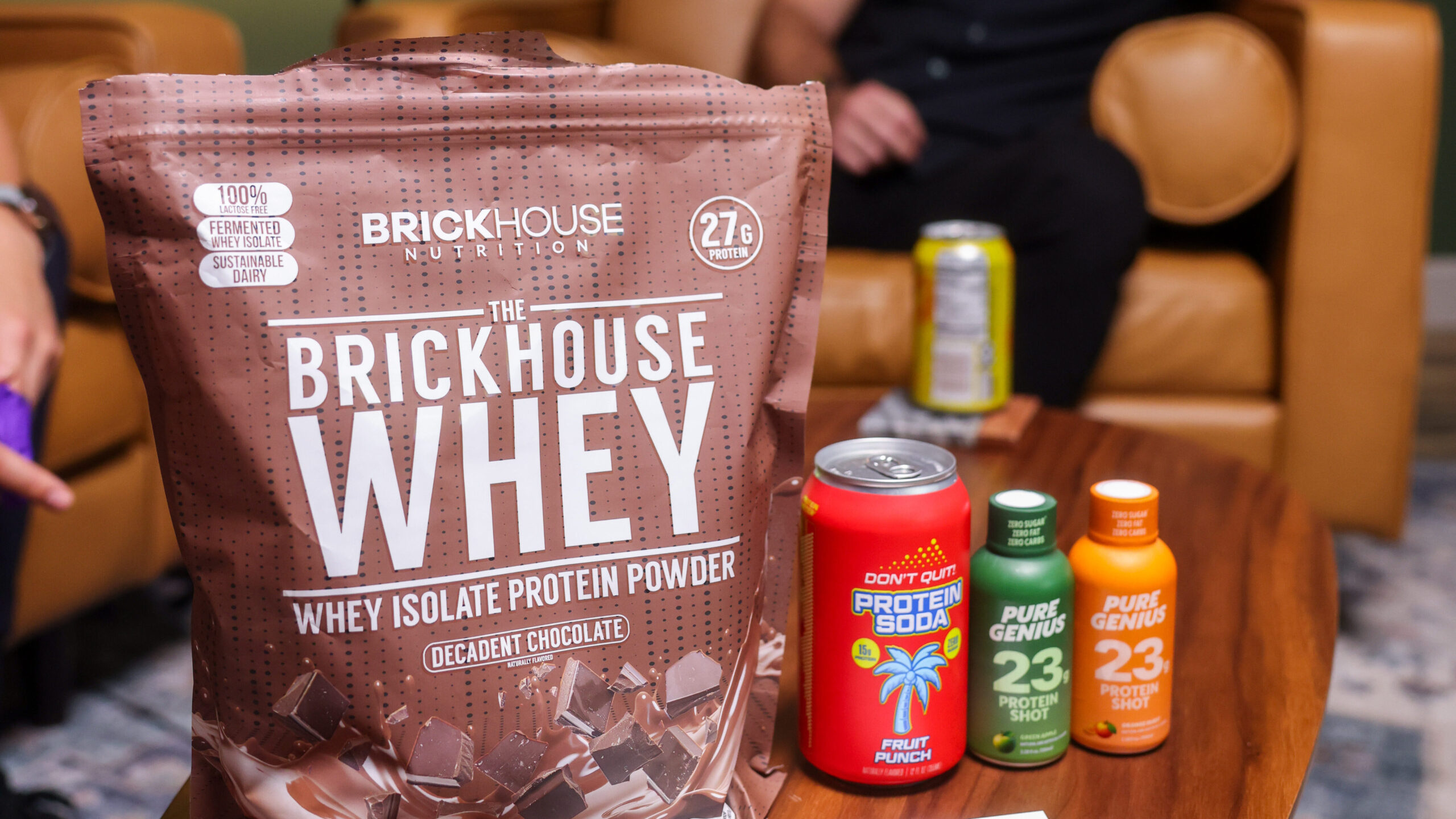
Historically, brands solved performance gaps by simply adding more protein:
• 20 g → 25 g → 30 g
• WPC → WPI → specialty isolates
• Bigger scoops, higher costs, tighter margins
That strategy is breaking.
Here’s why:
Why Protein Quantity Is No Longer Enough
Protein costs have structurally changed, and the shift is not temporary. Milk supply is no longer keeping pace with global protein demand, inventory buffers that once stabilized pricing have been depleted, and volatility has become the new normal. As a result, every additional gram of protein added to a formula now carries meaningful consequences. Higher inclusion levels directly affect cost of goods, increase credit exposure across the supply chain, and limit retail pricing flexibility. Protein is no longer a forgiving ingredient that brands can overuse without strategic consequences.
At the same time, the protein consumer base has expanded well beyond its original athletic niche. Protein is no longer consumed exclusively by bodybuilders or performance-driven athletes. Today’s users include women who prioritize digestive comfort, older adults focused on preserving lean muscle mass, GLP-1 users with reduced appetite and altered digestion, and lifestyle consumers who prefer lighter formats such as protein sodas and shots. These audiences often have lower tolerance for large protein doses. This further reinforces the need for formulations that emphasize efficiency and absorption rather than sheer quantity.

Protein Absorption vs. Protein Quality
Most brands frame protein quality using familiar metrics. These include amino acid profiles, leucine content, and scoring systems like PDCAAS or DIAAS. These benchmarks are useful for comparing raw materials. However, they rely on a critical assumption. The assumption is that the protein consumed is actually absorbed and utilized by the body. Without effective uptake, even the highest-quality protein cannot deliver meaningful performance benefits.
Absorption is the step between ingestion and performance.
Absorption is the step that connects ingestion to physiological outcomes. When digestion slows, nutrient transporters in the small intestine are downregulated, or the gut barrier is compromised, protein utilization declines. In these scenarios, fewer amino acids reach circulation, muscle protein synthesis is reduced, and increasing protein dosage produces diminishing returns. This is where absorption-supporting ingredients like AstraGin® become strategically relevant. AstraGin has been shown to upregulate key intestinal nutrient transporters and support gut integrity, helping improve amino acid uptake and utilization. As a result, protein quality alone is no longer sufficient to predict actual performance in real-world settings. It is the absorption that ultimately determines whether protein intake translates into results.
This is where formulation science—not marketing—becomes the differentiator.
The Cost of Inefficient Protein
When absorption is poor, brands compensate by:
- Increasing protein dosage
- Adding multiple protein sources
- Over-formulating “just in case”
That approach increases cost without improving outcomes.
In a market where WPI can exceed $12 per pound and clear whey even more, inefficiency is no longer acceptable.
The question formulators are now asking is:
How do we get more performance out of fewer grams of protein?
Making Every Gram of Protein Count
Rather than pushing protein doses higher, forward-thinking brands are shifting their focus toward efficiency. As protein costs rise and consumer tolerance becomes more variable, the goal is no longer to overwhelm the body with more grams, but to ensure that each gram delivers meaningful performance value.
This shift requires designing formulas that actively support nutrient transporter activity in the small intestine, preserve gut integrity during periods of metabolic or exercise-induced stress, and improve amino acid uptake on a per-gram basis. These mechanisms are critical because protein absorption is not passive. Amino acids rely on specialized transporters embedded in the intestinal lining, and when those transporters are downregulated or the gut barrier is compromised, utilization suffers regardless of protein quality.
This is where absorption-supporting ingredients like AstraGin® become strategically relevant. AstraGin has been shown to increase the expression of key nutrient transporters in the small intestine while supporting gut wall integrity through mTOR-related pathways. By improving the body’s ability to absorb amino acids efficiently, AstraGin helps ensure that a greater percentage of ingested protein actually reaches circulation and contributes to muscle protein synthesis, recovery, and performance.

When absorption and utilization are optimized, protein is not only digested more effectively but also used more consistently across different user populations, including athletes, aging adults, and consumers with digestive sensitivity. This efficiency gives brands the flexibility to deliver performance benefits at lower protein dosages, reducing the need for costly over-formulation.
As a result, brands can expand into emerging formats such as protein shots, clear RTDs, and stick packs, which would otherwise be impractical with high protein loads. At the same time, improving protein efficiency allows brands to protect margins and maintain formulation integrity despite rising raw material costs and ongoing supply pressure. In a market where protein is no longer cheap or abundant, making every gram count is no longer optional—it is a competitive requirement.
Where Precision Protein Meets Absorption Strategy
Advancements in protein technology are redefining what high-performance protein looks like. Precision-fermented whey fractions and other highly purified protein sources offer distinct advantages, including higher leucine density, minimal lactose content, and improved solubility. These characteristics make it possible to create lower-dose products that still meet performance expectations for muscle support, recovery, and energy.
However, even the most advanced protein source cannot overcome poor absorption. Protein quality may set the theoretical ceiling for performance, but absorption determines how close the body actually gets to that ceiling. Without efficient uptake, the benefits of purity, amino acid composition, and solubility remain unrealized.
This is why the next evolution of sports nutrition is not about replacing whey or abandoning traditional protein sources. Instead, it is about using protein more intelligently by pairing high-quality inputs with strategies that improve utilization. The result is protein that performs better, not just protein that looks better on a label.

The Future of Protein Is Smarter, Not Bigger
The era of “just add more protein” is coming to an end. As the market matures, brands are being forced to recognize protein as a premium input rather than an inexpensive commodity. Those that continue to rely on excess dosing to compensate for inefficiency will struggle to adapt.
The brands that succeed moving forward will be the ones that design formulas around utilization rather than excess, creating products that work effectively for athletes, lifestyle consumers, older adults, and individuals with digestive sensitivity. These brands understand that protein absorption is no longer a background variable. It is a defining metric that influences performance outcomes, consumer tolerance, cost efficiency, and long-term product viability.
In a market shaped by tighter supply, higher expectations, and expanding use cases, every gram of protein must work harder to justify its place in the formula.
Key Takeaway for Formulators and Brands
If protein formulas are still being optimized primarily around scoop size, macro totals, or ingredient sourcing alone, they are solving yesterday’s problem. Those factors matter, but they are no longer sufficient on their own.
The future of sports nutrition belongs to brands that understand a fundamental truth: protein does not perform until it is absorbed. Absorption, not abundance, is what will separate the next generation of high-performance products from the rest of the market.
FAQ: Protein Absorption & Sports Nutrition
What is protein absorption and why does it matter?
Protein absorption refers to the process by which digested amino acids and peptides are transported from the small intestine into the bloodstream. It matters because protein cannot support muscle growth, recovery, or performance unless it is effectively absorbed and utilized by the body. Poor absorption reduces the real-world impact of even high-quality protein sources.
Is more protein always better for muscle growth?
No. While adequate protein intake is essential, consuming more protein than the body can absorb or utilize does not improve results. In many cases, excessive protein intake leads to digestive discomfort and diminishing returns. Improving protein absorption allows lower doses to deliver similar or better performance outcomes.
What affects protein absorption in the body?
Protein absorption is influenced by digestive enzyme activity, intestinal transporter function, gut wall integrity, and overall gastrointestinal health. Stress, intense exercise, aging, and certain medications can all impair absorption, making formulation strategies that support these systems increasingly important.
How does whey protein isolate absorption compare to other proteins?
Whey protein isolate is considered one of the most bioavailable protein sources due to its amino acid profile and digestibility. However, even whey protein isolate relies on functional absorption pathways. If transporter activity or gut integrity is compromised, absorption efficiency can still be reduced. Why bioavailibility matters: https://nulivscience.com/why-bioavailability-matters-supplements/
Why are brands focusing more on protein efficiency now?
Rising protein costs, tighter supply chains, and expanding consumer demographics have made inefficiency expensive. Brands are focusing on protein efficiency to reduce over-formulation, improve tolerance, enable new product formats, and maintain margins while still delivering performance benefits.
Can better protein absorption reduce required protein dosage?
Yes. Improving protein absorption allows the body to utilize a higher percentage of each gram consumed. This makes it possible to achieve desired outcomes with lower protein dosages, which is especially valuable for clear beverages, shots, and products targeting consumers with reduced appetite.
What role does gut health play in protein absorption?
Gut health is central to protein absorption. A healthy gut lining and balanced microbiota support effective digestion and nutrient transport, while inflammation or compromised integrity can limit uptake. Supporting gut health improves consistency and reliability of protein utilization.
Is protein absorption important for non-athletes?
Absolutely. Protein absorption is critical for older adults concerned about muscle loss, individuals using GLP-1 medications, women with digestive sensitivity, and lifestyle consumers who prefer smaller, more convenient protein formats. Efficient absorption benefits all populations, not just athletes.
If you’re a brand looking to strengthen your supplement formulations with clinically validated, transparent, and science-backed ingredients, we’d love to connect. Reach out to our team today to learn how NuLiv Science can help you bring trusted, effective, and innovative products to market.